
TL;DR: 2026 EITC tax credits for low & middle-income workers feature expanded credit limits and relaxed IRS income thresholds for hourly, part-time and middle-class employees; this guide walks through eligibility checks, filing hacks and refund allocation plans to help you claim the largest possible tax refund without professional tax services.
For millions of low and middle-income earners across the U.S., the Earned Income Tax Credit (EITC) stands as one of the most underutilized financial benefits available in 2026. Many eligible workers skip claiming the full EITC amount each year due to confusion over updated income caps, dependent qualifications and filing requirements, leaving hundreds or even thousands of dollars in unclaimed tax refunds on the table. Unlike investment schemes or high-yield savings tools, the EITC is a refundable tax credit designed exclusively for people with active earned wages, making it a zero-risk way to instantly boost your annual take-home cash flow.
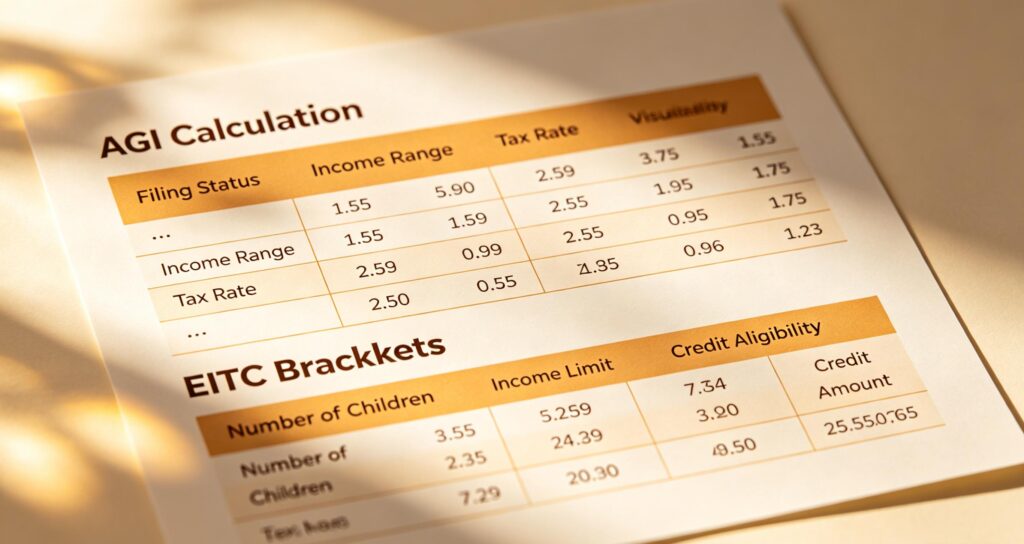
Before diving into filing strategies, it is critical to clarify who qualifies for expanded 2026 EITC benefits. The IRS raised both the maximum credit value and the phaseout income limits this year, opening eligibility to more single filers, married couples and caregivers with children. Single workers with no dependents can now qualify with slightly higher annual earnings, while families with one, two or three qualifying kids receive drastically larger credit payouts compared to previous tax years.
Building consistent automated savings after receiving your tax refund is one core financial habit every wage earner should master.
How to Claim Full 2026 EITC tax credits for low & middle-income workers Under 2026 IRS Updated Rules
Three core groups gain the biggest advantage from the 2026 EITC adjustments: hourly retail and service staff, freelance side-hustle workers with mixed monthly income, and single parents covering household costs on one salary. All three demographics often overlook small rule changes that directly raise their credit amount, such as counting part-time gig earnings as valid earned income or claiming qualifying foster children under updated IRS definitions.
🎁 Official IRS EITC guideline page with 2026 eligibility charts
Common misconceptions block many workers from claiming their full EITC refund. A widespread myth states that only full-time permanent employees qualify, but seasonal labor, delivery gig work, part-time restaurant shifts and temporary agency wages all count toward earned income requirements. Another false belief is that prior tax debt disqualifies applicants; unpaid small tax balances do not remove your eligibility for refundable EITC payouts, though the IRS may apply part of your refund to outstanding federal tax liabilities automatically.
🎁 Congressional breakdown of 2026 EITC expansion adjustments
Step 1: Calculate your adjusted gross income to match 2026 EITC brackets
Start by tallying all W-2 wages, 1099 gig earnings and cash part-time income received throughout the tax year. Cross-reference your total earned income against the official IRS phaseout ranges to confirm your maximum possible credit tier. Filers who fall right below the upper income limit can take simple, legal steps to lower their counted AGI, such as contributing to a traditional IRA before the tax filing deadline.
🎁 IRS fact sheets breaking down each 2026 EITC income bracket
Step 2: Verify all qualifying dependent paperwork
Each child or eligible dependent you list directly increases your EITC maximum value. Double-check Social Security numbers, residency rules and age limits for every dependent before submitting your tax return. Caregivers caring for disabled adult relatives can also claim additional credit tiers that most standard tax software overlooks by default.
🎁 U.S. Treasury official guidance for dependent EITC claims
Step 3: Use free IRS filing tools to avoid costly tax preparer fees
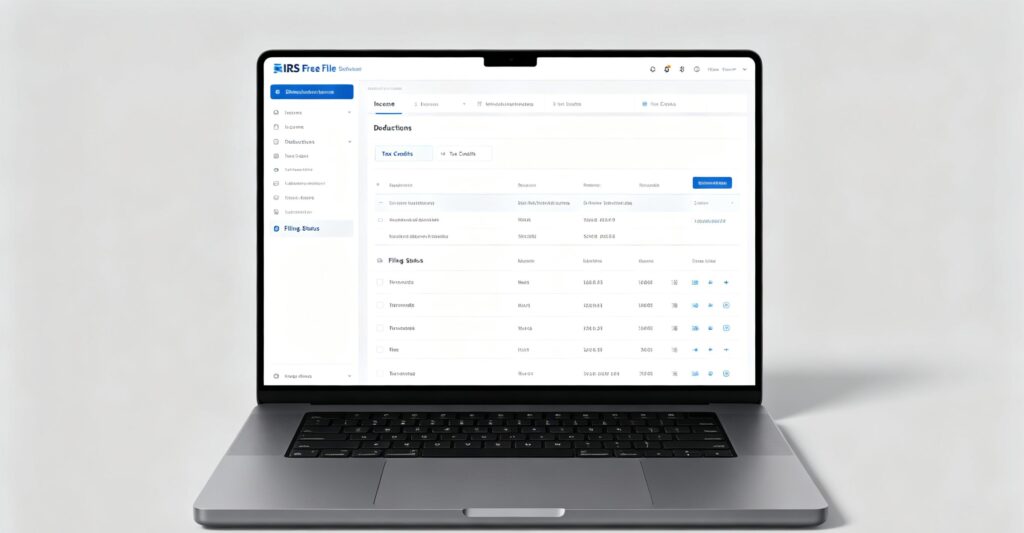
Low and middle-income filers qualify for IRS Free File software at zero cost, which automatically scans your return for all applicable credits including the expanded EITC. Paid tax services often charge extra fees for refund advance loans that cut into your final EITC payout, while free government filing platforms deliver full refund amounts without hidden charges.
🎁 Federal tax code language defining EITC eligibility rules
Build Long-Term Financial Safety With Maximized 2026 EITC tax credits for low & middle-income workers Refunds
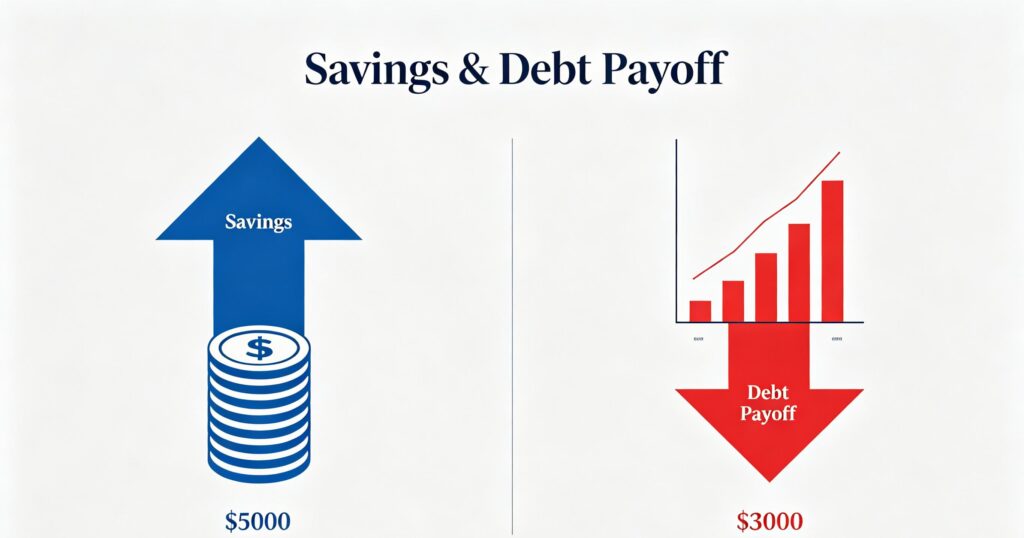
Once your EITC refund hits your bank account, intentional allocation turns one-time tax cash into long-term financial stability. Many workers waste their full refund on impulse purchases or monthly recurring bills, missing the chance to build emergency funds and reduce expensive revolving debt.
Strategic tax refund allocation builds lasting financial security for low-income households
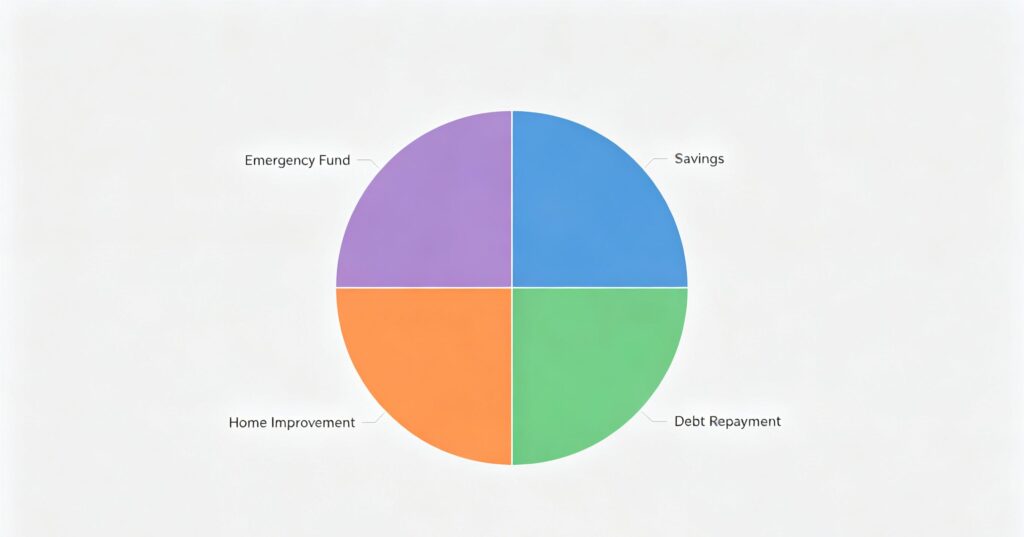
A balanced refund split follows this simple framework: 40% to emergency liquid savings, 35% to pay down high-APR credit card balances, 15% to short-term low-risk savings vehicles, and 10% for necessary household upgrades or medical costs. This split eliminates reliance on predatory payday loans during income gaps while growing your net worth year after year, perfectly aligning with the automated savings routine recommended for all wage earners.
🎁 IRS printable EITC filing handbook for 2026 tax season
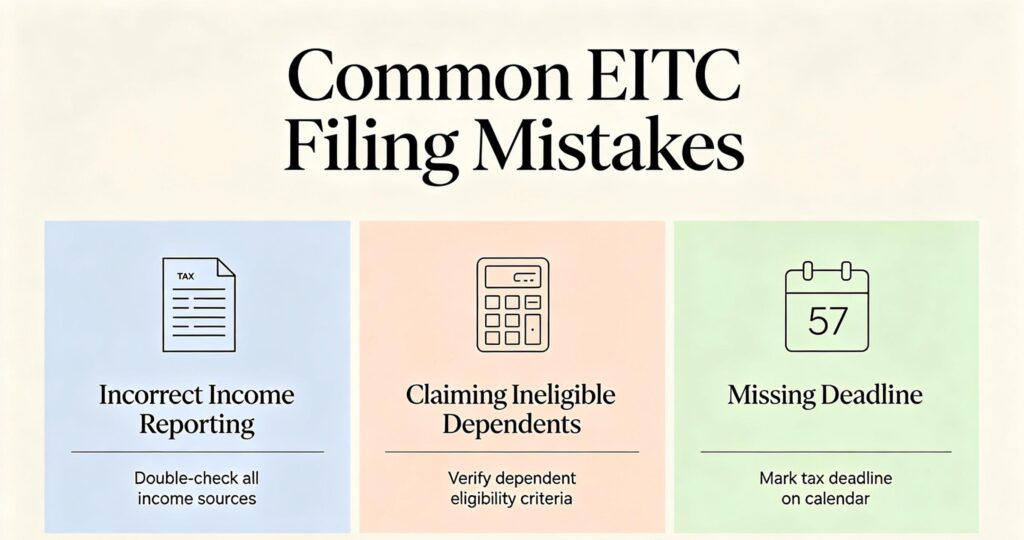
Critical mistakes to avoid when claiming 2026 EITC
- Missing the tax filing extension deadline: Late submissions risk delayed refund processing and temporary loss of EITC eligibility for that tax year.
- Misclassifying gig income as non-earned income: All self-reported work earnings must be listed as earned wages to unlock full credit values.
- Failing to update dependent information: Outdated residency or age records will trigger IRS refund delays and partial credit reductions.
- Taking high-fee refund advance loans: These advances deduct large service fees directly from your EITC amount, cutting your total usable refund significantly.
🎁 Taxpayer Advocate Service free EITC filing support resources
Workers who receive minimal annual wages often overlook the Saver’s Credit, a secondary tax break that pairs perfectly with EITC benefits. Small contributions to workplace retirement accounts or personal IRAs can unlock an extra non-refundable credit that further lowers your total federal tax owed, stacking savings alongside your main EITC refund.
🎁 IRS outreach tools for community EITC filing assistance
Final Takeaways
The expanded 2026 EITC tax credit delivers life-changing cash relief for low and middle-income working households, with higher payout caps and wider income eligibility than any prior tax year. You do not need advanced tax knowledge or expensive financial advisors to claim every dollar you qualify for; following the three-step filing process and avoiding common EITC errors guarantees maximum refund value.
After receiving your tax refund, structured allocation toward emergency savings and high-interest debt payoff turns a one-time credit payout into ongoing financial resilience. Combining fully claimed EITC benefits with consistent automated savings creates a stable financial foundation that protects your household from unexpected income shocks and rising living costs throughout 2026 and beyond.
Disclaimer: This article is for educational purposes only and does not constitute official tax or financial advice. 2026 EITC income limits, credit tiers and filing rules are subject to IRS policy adjustments each tax year. Readers should cross-check all eligibility details via official IRS government resources before submitting tax returns or planning refund allocation strategies.