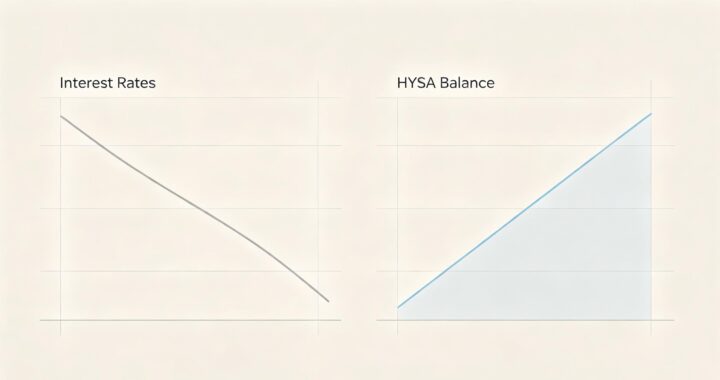

TL;DR
The financial habit everyone should develop is consistent automated monthly savings allocation, a simple but powerful routine that stops impulse spending, leverages compound interest over decades, and allows ordinary low and middle-income earners to build stable savings and secure retirement without risky investments or extreme budgeting.
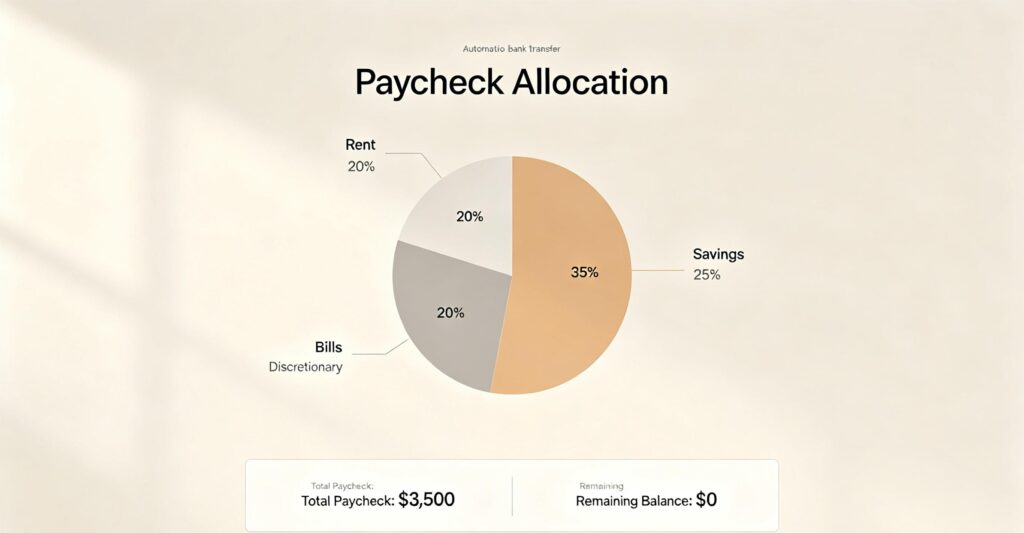
If you ask experienced personal finance experts or long-term savers one critical question — what is the one financial habit everyone should develop — nearly all will give the same answer: automated, non-negotiable monthly savings. Most people overcomplicate personal finance by chasing advanced investing tricks, high-risk side hustles, or strict frugal challenges that cannot be sustained long-term. In reality, building wealth does not depend on complicated strategies. It depends entirely on one repeatable habit that reshapes your entire financial future.
The financial habit everyone should develop works for every income level, every age group, and every financial situation. Whether you are living paycheck to paycheck, earning a stable middle-class salary, or just starting your financial journey, automated savings removes human error, procrastination, and emotional spending from your budget. Instead of saving whatever money is left at the end of the month, you save first and spend second, which completely reverses typical poor money management patterns.
Most average earners fail to build wealth not because they earn too little, but because they lack a fixed, automated savings routine. Manual savings always loses to lifestyle inflation, unexpected small expenses, and casual impulse purchases. Sticking to the financial habit everyone should develop eliminates these common barriers and creates steady, long-term wealth growth with minimal effort.
💰 The Penny Hoarder data confirms that workers who automate monthly savings grow personal net worth far faster than those who rely on end-of-month leftover savings, making this habit the most accessible wealth-building tool for low-income households.
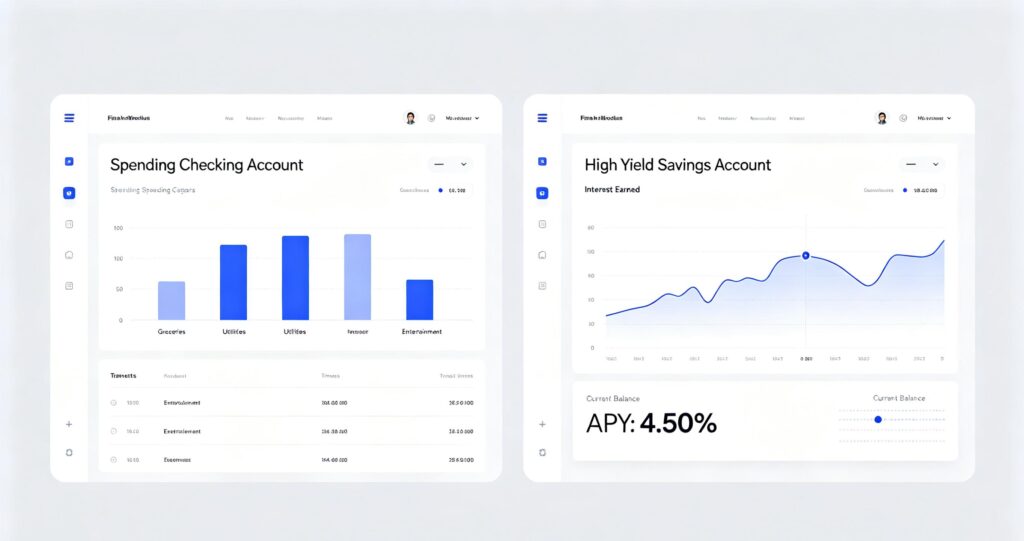
How the Financial Habit Everyone Should Develop Builds Secure Long-Term Retirement Plans
The financial habit everyone should develop is not just a short-term emergency fund trick; it generates slow, compound wealth growth that supports full retirement planning for all working adults. Even small automatic monthly deposits multiply drastically over 20, 30, or 40 years of work, turning modest regular contributions into a reliable retirement nest egg that covers daily living costs after you stop full-time employment.
Millions of low-wage workers avoid consistent savings because they believe their income is too limited to plan for retirement. This mindset creates a massive retirement funding gap that becomes exponentially harder to fix as you grow older. Starting the automated savings routine early lets you begin with tiny contributions and slowly raise your transfer percentage every time you receive a raise or bonus.
💰 map out long-term retirement savings targets at every life stage. After setting your age-based retirement milestones, you can accurately calculate your required total retirement funds with a free online finance tool: 💰 calculate exactly how much money you need to retire comfortably based on your monthly savings habit.
This combination of automated savings and retirement planning is widely recommended across top high-traffic finance blogs. 💰 NerdWallet publishes monthly beginner guides explaining how the financial habit everyone should develop cuts down your required monthly retirement payment through decades of compound interest gains.

Practical Steps to Maintain the Financial Habit Everyone Should Develop For Life
Automated savings sounds simple, yet most people abandon this routine within half a year without clear rules to follow. These four low-stress, actionable steps help you lock in the financial habit everyone should develop and avoid breaking your monthly savings allocation during periods of rising costs or unstable income.
- Transfer savings within 24 hours of paycheck deposit
Set an automatic bank transfer to move your predetermined savings percentage to a separate high-yield savings account the same day your salary posts. Separating dedicated savings upfront removes the mental temptation to treat that money as disposable income for takeout, fast fashion, streaming subscriptions and other unnecessary impulse buys. - Start with a tiny, sustainable savings percentage
You do not need to allocate 15% or 20% of your take-home income immediately. Start with just 5% of your monthly net pay, then increase your auto-transfer amount by 1% every time you get a raise, bonus or seasonal pay bump. This gradual adjustment prevents budget burnout and lets you build the financial habit everyone should develop without cutting essential expenses such as rent, groceries and utility bills.
💰 Mr. Money Mustache, one of the most visited FIRE finance blogs online, advocates slow incremental savings increases as the most sustainable lifelong wealth strategy for average wage workers.
- Store savings in an independent account with withdrawal restrictions
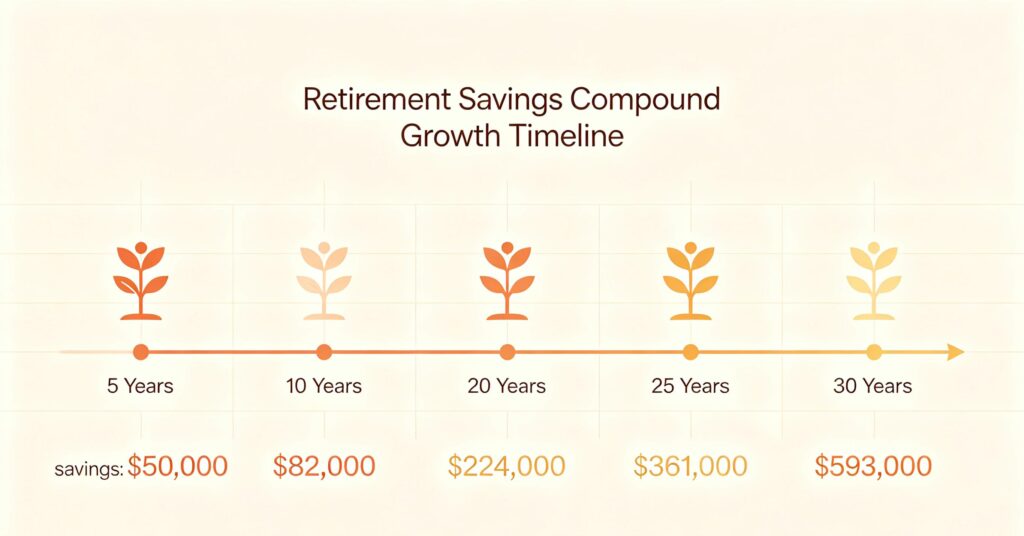
Keep your automated savings inside a dedicated HYSA or retirement account that is not linked to your daily spending debit card. Minor barriers to withdraw funds stop you from dipping into long-term wealth for trivial short-term purchases. - Review and adjust your auto-savings plan every six months
Household finances shift constantly: rent rises, utility costs surge, or monthly income grows. Every six months, check your transfer size to match your current budget and long-term retirement targets. Small regular tweaks keep the financial habit everyone should develop functional through inflation, job changes and higher daily expenses.
💰 Money Crashers releases quarterly budget adjustment guides teaching readers how to modify automated savings amounts without abandoning their core wealth-building routine amid rising living costs.
Common Barriers That Break Automated Savings Habits (And Simple Fixes)
Even intentional savers face obstacles that disrupt consistent monthly transfers. Below are the most frequent roadblocks to maintaining the financial habit everyone should develop, paired with proven solutions used by millions of regular earners:
Unexpected emergency costs
Car repairs, medical co-pays or broken home appliances often force people to pause auto-savings transfers. Fix this by building a small $500–$1,000 starter emergency fund inside your separate savings account first. This mini buffer covers minor crises without touching your long-term retirement contributions.
💰 Wise Bread shares dozens of low-effort methods to build a starter emergency fund alongside regular automated savings for low-income households with limited extra cash flow.
Temporary income reduction
Hourly workers, part-time staff and freelancers often deal with fluctuating monthly take-home pay. Instead of fully canceling your auto-transfer during slow earning months, lower your savings percentage temporarily rather than eliminating the habit entirely. Maintaining even a tiny deposit keeps your routine intact until your income rebounds.
Lifestyle inflation after pay raises
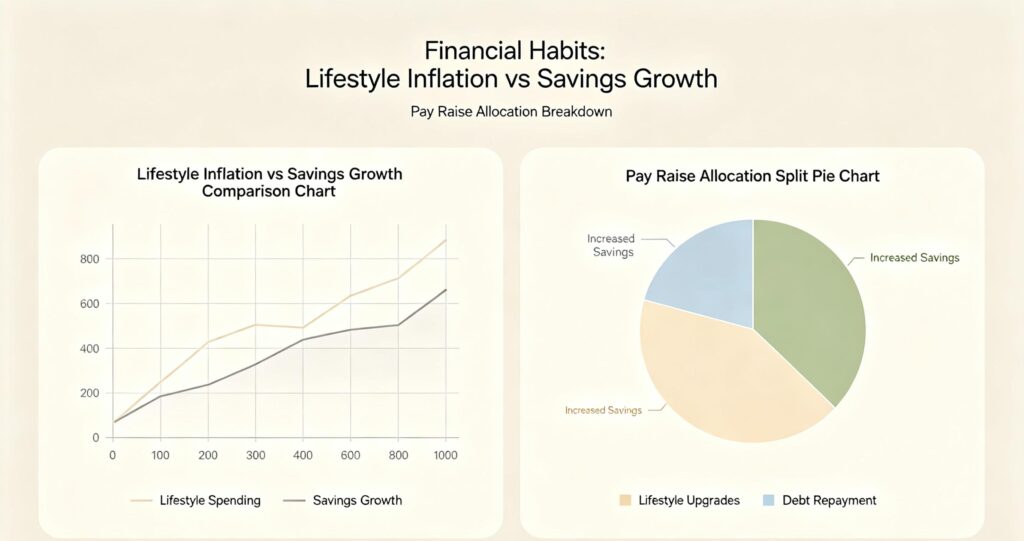
When your salary increases, it is natural to upgrade daily spending habits. To avoid lifestyle inflation erasing wealth growth, commit 50% of every raise directly to your automated savings transfer. This rule lets you enjoy extra income while speeding up your retirement savings timeline.
💰 Frugal Woods shares real family case studies proving splitting raise income equally between spending and savings drastically shortens financial independence timelines for ordinary households.
How This Single Habit Creates Long-Term Financial Independence
Many people overcomplicate personal finance by following dozens of separate money rules, side hustle guides and investment strategies. In truth, the financial habit everyone should develop acts as the core foundation for every other wealth-building step you take:
- It generates capital to refinance high-interest debt and cut monthly interest charges
- It builds steady compound growth for retirement without large one-time investments
- It eliminates paycheck-to-paycheck living and reduces financial stress during economic downturns
- It creates flexible funds to take advantage of low-risk savings and investment opportunities as they appear
💰 The Simple Dollar states automated savings is the backbone of every sustainable personal finance plan, regardless of income bracket, location or age. Without consistent recurring savings, even the best investment advice or budget hacks fail to create lasting financial security.
Workers under 30 gain the biggest advantage by starting this habit early, as compound interest multiplies small monthly deposits over multiple decades. 💰 Money Under 30 creates beginner guides for young entry-level employees focused on building automated savings routines before major fixed expenses like mortgages and childcare enter their monthly budget.
For mid-career earners who delayed regular savings, it is never too late to adopt this core habit. Even workers aged 40 and older can close retirement funding gaps by boosting their auto-transfer percentage each year, paired with retirement target calculations from free online financial calculators.
💰 Making Cents features real-life stories from middle-aged low-income workers who rebuilt their entire retirement nest egg solely by sticking to automated monthly savings after years of living paycheck to paycheck.
Final Takeaways to Lock In Your Core Savings Habit
If you only adopt one money rule to transform your financial future, prioritize building automated recurring savings pulled directly from your paycheck. The financial habit everyone should develop removes human error, procrastination and impulse spending from your budget, creating steady, predictable wealth growth through every stage of your working life.
Start small, adjust gradually, protect your savings funds from casual withdrawals, and review your plan every six months to match shifting income and living costs. Combine this routine with long-term retirement planning guides and free online retirement calculators to set clear, measurable financial independence goals tailored to your age and income level.
💰 Afford Anything summarizes this core principle perfectly: wealth is not built from one-time windfalls or quick-rich schemes — it grows from consistent, repeatable daily financial habits that compound year after year.
Disclaimer
The content shared in this article is for general educational and budgeting guidance only. It does not constitute personalized financial, investment, or retirement planning advice. All readers are encouraged to evaluate their unique household income, expenses, and long-term financial goals before adjusting savings allocations, bank transfers, or retirement contribution plans. Results from automated savings routines will vary based on individual monthly contributions, account interest rates, income stability, and personal spending patterns.