
TL;DR
If you wonder how low earners cut costs boost savings on a tight paycheck, this practical guide walks you through proven cost-cutting methods and steady savings plans. Even with limited monthly income, you can trim wasteful spending and grow long-term wealth without extra side income.
Living on a low wage often makes saving feel overwhelming, but the core solution is straightforward: low earners cut costs boost savingss by reallocating wasted money toward consistent savings. As someone who built solid savings on a modest salary, I’ve tested every tactic shared below to stretch my paycheck while covering daily essential bills comfortably.
Start by Separating Essential vs. Non-Essential Expenses
Sorting your spending is the foundational step when low earners cut costs boost savings, as it pinpoints exactly where your disposable income leaks each month. Many people on limited wages overlook small repeated purchases that pile up into hundreds in lost savings every month.
Step 1: List all monthly spending

Grab a bank statement or budgeting app and list every expense for the past 30 days. Then, split them into two categories:
- Essential expenses: Rent, utilities, groceries, transportation, insurance, minimum debt payments. These are costs you can’t eliminate without major lifestyle changes.
- Non-essential expenses: Dining out, streaming subscriptions, gym memberships you don’t use, premium coffee, impulse shopping, and other discretionary spending. These are the areas where you can cut back.
A study by the Federal Reserve found that low-income households spend a larger share of their income on discretionary items than many realize, even when money is tight. The goal isn’t to eliminate all non-essentials, but to cut the ones that don’t add value to your life.
For example, I used to spend $150 a month on coffee and takeout lunches. By making coffee at home and packing meals, I cut that to $30 a month—an extra $1,440 a year that went straight into my savings account. You can check my real-world experience in How I Saved $12,000 in 1 Year on a Low Income (No Side Hustle) for more actionable saving tips.
Step 2: Use the 50/30/20 budget rule (adjusted for low incomes)
The 50/30/20 rule is a popular budgeting method, but it can be too rigid for people with very limited incomes. Instead, try this modified version:
- 60% Essentials: Allocate 60% of your income to essential expenses. If your rent or utilities are eating up more than this, you may need to consider cost-saving moves like a roommate, a cheaper plan, or negotiating bills.
- 20% Savings & Debt: Aim for 20% of your income to go toward savings and extra debt payments. Even $50 a month counts, and it adds up over time.
- 20% Non-Essentials: Use the remaining 20% for things you enjoy, like dining out or hobbies. This prevents burnout and makes your budget sustainable.
If you’re living paycheck to paycheck, even a small shift—like moving 5% from non-essentials to savings—can make a big difference over time.
Cut Monthly Bills to Help Low Earners Cut Costs Boost Savings
Recurring monthly bills are the biggest hidden drain on a low income, and trimming these fixed costs is one of the fastest ways for low earners cut costs boost savings without lowering your standard of living. Here are actionable ways to lower your bills right now:
Negotiate or renegotiate every bill

Most companies—including internet, phone, insurance, and even gyms—offer discounts to customers who ask. You don’t need to be a tough negotiator; a simple script like this works:
“I’ve been a customer for [X years], but I’m looking for ways to lower my monthly costs. Can you tell me if there are any new plans, discounts, or promotions I qualify for?”
Many low earners save $50–$100 a month just by calling and asking for a better rate. I negotiated my internet bill from $85 to $55 a month by switching to a basic plan and asking for a loyalty discount—an extra $360 a year in my pocket.
Trim subscription services
Take 10 minutes to list every subscription you pay for each month. Chances are, you’re paying for services you don’t use. Common culprits include:
- Multiple streaming services (Netflix, Hulu, Disney+, etc.)
- Gym memberships you haven’t used in months
- Premium app subscriptions you don’t need
- Magazine or box subscriptions that no longer interest you
Cancel any service you haven’t used in 30 days, and limit yourself to 1–2 streaming services at a time. This alone can save you $20–$50 a month.
Lower grocery and food costs

Food is one of the biggest flexible expenses for low earners, but it’s also one of the easiest to cut without going hungry. Try these tips:
- Plan meals and make a shopping list to avoid impulse buys.
- Buy generic brands—they’re often the same quality as name brands but cost 20–30% less.
- Shop sales and use coupons or cashback apps for groceries.
- Cook at home instead of ordering takeout. Even simple meals like pasta, stir-fries, or soups cost a fraction of takeout prices.
When I started meal prepping on Sundays, I cut my monthly food bill from $400 to $250. The extra $150 a month went straight into my emergency fund.
Redirect Cut Costs to Long-Term Savings
Cutting unnecessary spending is only half the battle; you must channel every saved dollar into dedicated accounts if you want low earners cut costs boost savings effectively. Here’s how to make sure every dollar you save helps you grow wealth over years.
Automate savings first

If you wait to save what’s left at the end of the month, you’ll never save anything. Instead, set up automatic transfers from your checking account to a savings account the day you get paid. Even $25 or $50 a month is better than nothing.
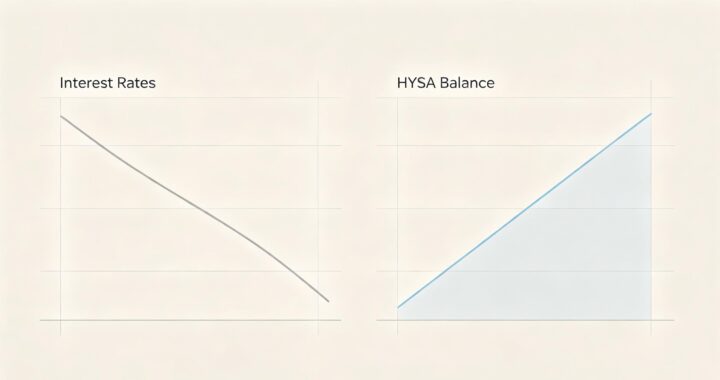
For example, if you cut $100 a month in unnecessary costs, set up an automatic transfer of that amount to a high-yield savings account (HYSA). Over a year, that’s $1,200, plus interest. Over 10 years, with compound interest, it could grow to more than $15,000.
Build an emergency fund first

Before you start saving for retirement or other long-term goals, build a small emergency fund. Aim for $500–$1,000 to cover unexpected costs like car repairs or medical bills. This prevents you from going into debt when emergencies hit, which is a huge drain on low incomes.
Once you have a small emergency fund, you can start redirecting more of your savings toward long-term goals like retirement or a down payment.
Take advantage of free or low-cost ways to grow savings
You don’t need a lot of money to start building long-term savings. Many programs and tools are designed specifically for low earners:
- Savers Credit: The IRS offers a tax credit for low- and moderate-income workers who contribute to retirement accounts like a 401(k) or IRA. This credit can be worth up to $1,000 for individuals and $2,000 for couples, which you can use to boost your savings.
- High-Yield Savings Accounts (HYSA): Unlike traditional savings accounts, HYSAs offer much higher interest rates—currently around 4–5%. This means your money grows faster without any extra work from you.
- Employer-sponsored retirement plans: If your job offers a 401(k) with a matching contribution, contribute at least enough to get the full match. It’s free money that instantly boosts your savings.
Avoid Common Traps That Keep Low Earners Poor
Even with a solid budget and savings plan, there are common traps that can derail your progress. Watch out for these pitfalls:
Lifestyle inflation
As your income increases, it’s tempting to upgrade your lifestyle—rent a bigger apartment, buy a nicer car, or eat out more often. But lifestyle inflation means you end up with the same amount of money (or less) than before, even though you’re earning more. Instead, when you get a raise or bonus, put the extra money straight into savings or debt payments.
Payday loans and high-interest debt
Payday loans, title loans, and credit card debt with high interest rates can trap low earners in a cycle of debt that’s hard to escape. If you’re already in debt, focus on paying off the highest-interest debt first, and avoid taking on new debt unless it’s absolutely necessary.
Trying to keep up with others
Social media and peer pressure can make you feel like you need to keep up with friends or family who spend more. But remember: their spending habits don’t define your financial success. Focus on your own goals, even if they seem small at first.
How I Made It Work: My Personal Savings Journey
When I started earning $32,000 a year as a part-time admin assistant, I thought saving for the future was impossible. Rent took up 40% of my income, and after paying bills and buying groceries, I had almost nothing left. But I started with small steps centered on how low earners cut costs boost savings
I cut my coffee and takeout spending by $120 a month.
I negotiated my internet bill down by $30 a month.
I canceled three unused subscriptions, saving $25 a month.
I set up an automatic transfer of $50 a month to my savings account.
Within a year, I had saved more than $2,700. Over time, I kept adding more to my savings, and when I got a raise, I put the extra money straight into my emergency fund and retirement account. Today, I have a fully funded emergency fund and a growing retirement savings account—all without ever earning a six-figure salary.
How I Saved $12,000 in 1 Year on a Low Income (No Side Hustle)
FAQ: Saving Money on a Low Income
Q: How much should I save each month if I earn a low income?
A: Aim for at least 5–10% of your income, even if it’s just $20 or $30 a month. The key is consistency, not the amount. As you cut costs or earn more, you can gradually increase your savings rate.
Q: Is it possible to save for retirement on a low income?
A: Yes. Even small contributions to a retirement account, especially if your employer offers a match, can grow significantly over time. The Savers Credit can also help low earners boost their retirement savings with a tax credit.
Q: How do I avoid burnout when cutting costs?
A: Build small “fun” expenses into your budget. Allowing yourself a small treat each month—like a coffee or a meal out—can help you stay motivated. The goal is to cut unnecessary costs, not eliminate all joy from your life.
Q: What if my income is too low to save anything?
A: If you’re living paycheck to paycheck, start by focusing on building a small emergency fund of $500–$1,000. Even that can help you avoid debt when unexpected costs arise. You can also look into ways to increase your income, like picking up a part-time gig or asking for a raise at work.
Bonus: More Authoritative References for Your Reference
From the IRS: The Savers Credit is a valuable tax break for low- and moderate-income workers saving for retirement, which can directly boost your long-term savings.
Learn more: Save for Retirement Now, Get a Tax Credit Later
Investopedia breaks down how to save money daily, monthly, and long-term, with actionable strategies that work for all income levels, including low earners.
Learn more: How to Save Money: Daily, Monthly, and Long-Term
NerdWallet offers practical, step-by-step tips to lower your monthly bills and cut expenses, perfect for anyone looking to stretch a tight paycheck.
Learn more: How to Lower Your Bills
Disclaimer: All content provided on this website is for educational and general reference purposes only. It does not constitute personalized financial, investment, tax or legal advice. Individual financial situations vary greatly, and readers are advised to consult a qualified professional financial advisor before making any financial decisions. We do not take responsibility for any losses arising from the use of information on this site.