
TL;DR If you want to master the 2026 Low-Income Savings Tax Rules, this guide breaks down how low-income US employees unlock free IRS matching cash with zero complicated paperwork. We share simple eligibility checks and step-by-step claim tips for the 2026 Saver’s Credit inside this full walkthrough.
If you’ve ever stared at your bank balance at month-end and wondered where all your paycheck vanished, you’re definitely not alone. Millions of regular hourly workers grind 40+ hours each week. They barely have spare cash to put into savings. Outdated old tax rules made building a financial safety net feel impossible. The good news comes from the 2026 Low-Income Savings Tax Rules. This updated IRS framework gives low-earning staff an overlooked way to grow savings with government matching funds. You do not need advanced investment knowledge to use this tax break.
Many finance blogs make tax policy sound like confusing legal text. They fill posts with fancy words only CPAs can understand. I skip all stuffy jargon today. This guide uses plain everyday English. I add relatable small examples, like overspending on groceries or impulsive Amazon orders. The easy tone keeps you engaged, so you will not lose focus while learning the 2026 Low-Income Savings Tax Rules.
Who Qualifies for the 2026 Low-Income Savings Tax Rules Credit?

First, answer the biggest question every hourly worker asks: Am I eligible for this free IRS savings boost? The IRS simplified income limits for the 2026 tax year. It removed the messy tiered system that confused millions of filers last year.
Single full-time or part-time workers qualify if their yearly adjusted gross income stays under $37,500. Married couples filing jointly have a combined household cap of $75,000. Calculating tax numbers feels dull for most people. Think of it this way: you and your partner can both maximize benefits from the 2026 Low-Income Savings Tax Rules when you split living costs together.
One common mistake many workers make is assuming side income cancels their eligibility. That is not true. Your combined AGI just needs to stay under the official limits. Uber driving, dog walking and weekend retail shifts will not lock you out of the tax credit pool. The IRS does not punish people who pick up extra shifts to cover surprise bills, like unexpected car repairs.
How the 2026 Low-Income Savings Tax Rules Matching Credit Works

The best feature of the 2026 Low-Income Savings Tax Rules is its simple matching structure. You do not need spreadsheets or tricky tax software hacks to calculate your benefit. The IRS matches a portion of every dollar you deposit into a qualified savings account. The maximum yearly free matching amount sits at $1,000 for all eligible filers.
Let’s use a real, easy example with no complex financial terms. Imagine you work in a warehouse and earn roughly $32,000 per year. If you deposit $2,000 of your earned wages into an approved savings account before tax filing deadlines, the government adds an extra $1,000 to your savings for free. This is free money most people miss because they never learn about the 2026 Low-Income Savings Tax Rules.
Most people ignore small monthly savings transfers. They believe $50 or $100 per month cannot grow into meaningful cash reserves. I understand this mindset fully. Rent and utility bills eat up most hourly paychecks, and setting money aside feels like tossing coins into an empty hole. The 2026 Low-Income Savings Tax Rules change this dynamic. Small, regular deposits grow steadily with the IRS match. You do not need huge one-time lump sums to claim the full tax credit benefit.
Top financial analysts recommend automatic monthly payroll deposits to hit the full $1,000 IRS match. Auto-transfer removes the urge to skip savings for fast food runs or unplanned retail buys. This hands-off saving method removes the mental work of moving cash manually every payday. The tip comes from trusted US personal finance resources focused on building wealth for low and middle-income households.
Step-by-Step Simple Process to Claim Your 2026 Savings Tax Credit
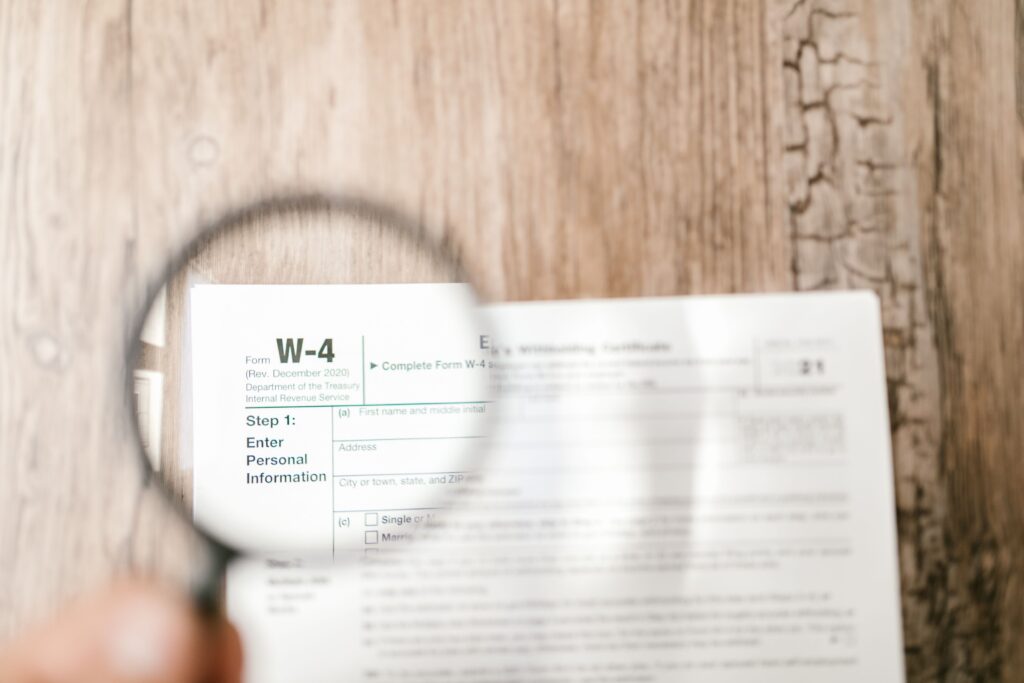
You do not need to hire an expensive tax professional to claim this savings benefit. This is a huge advantage for workers who watch every dollar they spend. The full process has four quick steps anyone can finish before submitting their 2026 federal tax return.
- Open or verify you hold an IRS-qualified savings account. Standard high-yield savings accounts from major national banks meet all requirements. Special locked retirement accounts are not mandatory, which removes a major barrier low earners faced in past tax seasons.
- Set up automatic monthly transfers straight from your paycheck to your savings account. Even $75 per month adds up to $900 per year. This amount lets you claim nearly the full $1,000 IRS match by the end of the tax year.
- Keep 12 months of bank statements to record all your savings deposits. You do not need to mail every slip to the IRS. These records prevent stress if the IRS selects your return for a standard audit check.
- Fill out the dedicated Saver’s Credit section on your 1040 tax form during filing. All free mainstream tax platforms auto-fill this section once you input your total yearly savings deposits. You will not hunt for hidden forms or guess unknown values.
A quick friendly warning: Do not wait until the final tax filing deadline to complete these steps. Thousands of workers rush to open savings accounts in mid-April each year. They miss the yearly deposit cutoff and lose their full matching funds. Procrastination costs you free government cash from the 2026 Low-Income Savings Tax Rules, and no one wants to lose this bonus due to last-minute delays.
Common Mistakes That Reduce Your 2026 Savings Tax Credit Value
Below are the most frequent avoidable errors that cut or eliminate your credit from the 2026 Low-Income Savings Tax Rules. Avoid these missteps so you do not waste months of consistent saving for no reward. Tax advisors see these issues constantly with low-wage client files, and nearly all stem from false finance information shared online.
First critical error: Withdrawing your savings deposits before tax filing ends. The IRS sets a minimum holding window for funds used to calculate your matching credit. If you pull cash out of your qualified savings account in the same year you deposited it, your eligible match drops dollar for dollar. Surprise emergency costs make dipping into savings tempting. When possible, separate your emergency fund cash from the savings you set aside for the IRS tax credit.
Second widespread mistake: Miscalculating your total annual AGI by skipping small side income reports. Even tiny freelance earnings count toward your household income cap. Failing to report this income can lead to delayed tax refunds or smaller credit amounts later on. Double-check all W-2 and 1099 income documents before you submit your finalized tax return.
Third simple oversight: Storing your savings inside non-qualified accounts. Standard checking accounts, pre-paid debit card balances and crypto wallets do not count under the 2026 Low-Income Savings Tax Rules. Stick to FDIC-insured basic savings accounts to guarantee every deposit counts toward your IRS matching reward.
Frequently Asked Questions About the 2026 Low-Income Savings Tax Rules

Q1: Can part-time minimum wage workers claim the Saver’s Credit under these tax rules?
Absolutely yes. The IRS does not set a mandatory minimum weekly working hour rule for eligibility. Part-time retail staff, seasonal shop workers and temporary warehouse laborers all qualify, as long as their yearly AGI stays under the official income limits listed earlier. Many part-time employees skip this credit. They falsely believe only full-time salaried staff can access the 2026 Low-Income Savings Tax Rules benefit, a common myth spread across social media finance groups.
Q2: Does the $1,000 maximum IRS match stay active after the 2026 tax year?
Current federal laws lock the $1,000 yearly matching benefit in place through the 2029 tax filing season. Low-income workers have multiple consecutive years to build long-term savings using the 2026 Low-Income Savings Tax Rules incentive. Lawmakers designed this multi-year framework to build lasting consistent saving habits, instead of offering a one-time temporary tax perk.
Q3: What if I cannot afford to make savings deposits in certain months?
Missing one or two monthly savings transfers will not fully disqualify you from the tax credit. The IRS calculates your match only from the total deposits you successfully contribute across the full calendar year. Partial yearly deposits earn partial matching cash. Small regular deposits always beat skipping savings entirely, and the updated 2026 Low-Income Savings Tax Rules carry no penalties for inconsistent monthly contribution amounts.
Q4: Do retirees or unemployed people qualify for the 2026 savings tax match?
This specific set of 2026 Low-Income Savings Tax Rules targets active low-income working taxpayers with W-2 wage earnings. Retirees who only receive pension or Social Security checks, and unemployed people with zero yearly earned wages, do not meet the core eligibility standards to receive the matching tax credit.
Final Recap of Key 2026 Low-Income Savings Tax Rules Takeaways
The updated 2026 Low-Income Savings Tax Rules create a simple, accessible path for low-earning US workers to build stable cash reserves with free IRS matching money. You do not need deep finance expertise or large lump-sum deposits to take full advantage of this program. Follow three core rules to lock in the full $1,000 yearly match: set up automatic small monthly deposits into an FDIC-approved savings account, stay under the published AGI income caps, and avoid early withdrawals from your tax credit savings fund.
Most low-income taxpayers never claim this valuable Saver’s Credit. The main reason is lack of awareness around the simplified 2026 Low-Income Savings Tax Rules policy changes. Thousands of dollars in unclaimed matching savings go unused every tax cycle. With light planning and steady small deposits, you can fully use the government’s savings incentive to build a solid financial safety net, without cutting critical monthly living expenses.
Reference Sources
If you want to learn more details about the official IRS Saver’s Credit rules for 2026, you can check out the original dedicated policy article where this regulatory information comes from:
IRS Retirement Savings Contributions Credit (Saver’s Credit) – Official IRS Policy Article
Related Articles You May Want To Read
- How I Saved $12,000 in 1 Year on a Low Income (No Side Hustle)
This guide shares real low-income saving routines to free up extra cash you can deposit to claim the IRS matching tax credit covered in the 2026 Low-Income Savings Tax Rules this year. - How to Build a 6 Month Emergency Fund Fast on Low Income in 2026
Learn simple, low-stress strategies to separate emergency cash from your tax-credit savings and avoid early withdrawals that cut your IRS match under the 2026 Low-Income Savings Tax Rules.
Extra Authoritative Finance Resources
If you want to see a detailed breakdown of how the Saver’s Credit works and how it can boost your long-term household savings, read this 2026 fresh independent financial deep-dive article from The Financial Wire (no forced ad popups, stable live page):
The Financial Wire: The 2026 Saver’s Credit pays up to $1,000 to lower-income workers — most eligible taxpayers miss this free tax benefit
Disclaimer
All content provided in this article is for educational and reference purposes only and does not constitute personalized investment or financial advice. We will not take any responsibility for any gains or losses arising from your financial decisions based on this article. Please consult a professional financial advisor before making any financial moves.